The hum of a reciprocating saw slicing through old drywall. The smell of decades-old dust meeting damp subflooring. You have your blueprints rolled out on a makeshift plywood table, coffee cooling in a paper cup. This was supposed to be the week you finalized the rough-in for the master bath remodel.
But something shifted overnight. A quiet alarm ringing through contractor supply houses from Seattle to Miami. The price tags changed. Not by a few pennies, but by staggering margins that force seasoned plumbers to pause and stare at their clipboards in disbelief.
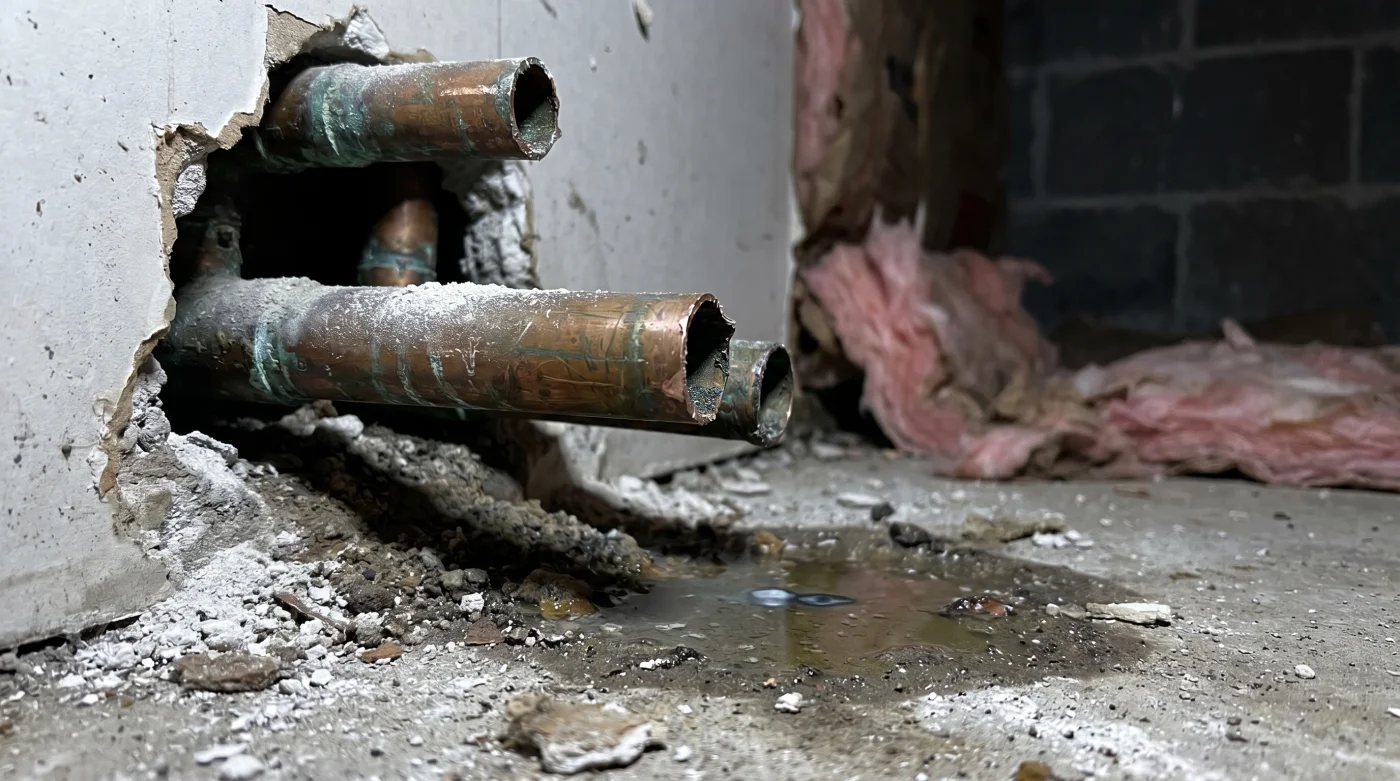
The familiar gleam of a copper pipe, usually stacked like cordwood in the back aisles of your local hardware store, is suddenly scarce. You expected material costs to be the stable foundation of your renovation budget. Instead, global supply lines have knotted, squeezing residential plumbing supplies and turning standard half-inch tubing into a luxury commodity.
From Commodity to Precious Metal
Think of your home’s water lines not as cheap infrastructure, but as an intricate arterial system. For generations, we treated this metal as an infinite resource, routing it generously through floor joists and behind drywall without a second thought. It was cheap, reliable, and always there.
Now, a historic shortage forces a radical shift in how you build. The sudden price spike isn’t just a budget-killer; it becomes a design filter. It forces you to look at a bathroom layout and ask if that vanity truly needs to be on the far wall, requiring twenty extra feet of routing, or if it can share a central wall with the shower.
What feels like a frustrating limitation is actually pushing toward high-efficiency layouts. The constraint of expensive materials breeds leaner, smarter, and ultimately more reliable plumbing systems. You begin to see the beauty in shorter runs and consolidated zones.
Marcus Thorne, a 58-year-old master plumber in Chicago, noticed the shift weeks before the news hit. He stood in a dimly lit commercial warehouse last Thursday, running his calloused thumb over a bundle of Type L tubing. “Two months ago, I was tossing scrap pieces into the bin without a glance,” Marcus told his apprentices. “Today, you treat every inch like sterling silver.” He immediately began reworking his clients’ floor plans, consolidating water lines to single wet columns in the center of the home, a technique that cuts material costs by forty percent while radically reducing the time it takes for hot water to reach the tap.
Adapting to the Squeeze
The way you respond to this material shock depends entirely on where you stand in your project timeline. If you are caught in the middle, your strategy must pivot to tactical substitution.
- The black tea method replacing expensive hardwood floor refinishing
- Master plumbers never use chemicals to clear a blocked bathroom sink
- The upside-down shelf trick instantly doubles small kitchen storage space
- The winter storage mistake destroying your lawn mower blade before spring
- Major insurers begin rejecting homes with this specific spray foam insulation
- Plumbers warn this 5-minute basement check prevents catastrophic flooding
- Where contractors secretly buy premium walnut lumber for less than pine
- Historic copper shortage threatens to double home renovation costs this month
- Renters are using this $2 putty to install floating shelves without drilling
- The single drop of essential oil that restores rusted cast iron in seconds
For the Mid-Stream Renovator, you already have the walls open. The old pipes are gone, but the new ones haven’t been purchased. Move to alternative approved materials like PEX-A for your long horizontal runs through the joists, reserving your remaining copper budget strictly for exposed fixtures, tub spouts, and critical connections near the water heater where temperature demands absolute rigidity.
For the Ground-Up Builder, you have the luxury of time and spatial planning. Consolidate your wet zones. Stack your bathrooms directly on top of each other and place the kitchen immediately adjacent on the first floor. By creating a central plumbing core, you minimize material runs and isolate potential future leaks.
For the Emergency Repairer, a basement pipe bursts on a Tuesday night. The hardware store shelves are thin and prices are gouged. Forget replacing a ten-foot section if only a pinhole is the problem. Focus on precision localized surgery. Use a high-quality slip coupling or a targeted patch rather than tearing out entire branches of the system.
Navigating the Supply Squeeze
When material costs double, your approach to the work must become an intensely deliberate installation process. You can no longer afford the luxury of trial and error. Every cut must be measured twice, every fitting dry-fitted before soldering or crimping.
Start by auditing your actual needs before you ever walk into a supply house. Map the entire system on paper, measuring straight runs and counting the exact number of elbows, tees, and couplings. Eliminate the guessing game. Buying extra just in case is a habit of the past.
- A high-grade rotary pipe cutter to prevent crushed ends and wasted material.
- PEX-A expansion tools for transitioning non-critical runs away from metal.
- A digital caliper to measure existing pipe walls and ensure absolute compatibility with transition fittings.
- A laser measure to calculate exact linear footage and eliminate ordering padding.
The Value of Constraint
When you stand in the finished bathroom months from now, the water pressure strong and the temperature steady, the anxiety of this sudden shortage will have faded into memory. But the lesson remains, a lasting discipline embedded in walls.
You didn’t just survive a market fluctuation; you built a smarter house. By being forced to conserve, you eliminated wasteful long runs, reducing the strain on your water heater. You mapped your home’s arteries with care rather than assumption.
The scarcity of a common metal stripped away the lazy habits of modern construction, leaving behind a home that runs quietly, efficiently, and deliberately. You learned to respect the materials behind the drywall, treating the unseen bones of your house with the reverence they truly deserve.
“When materials are cheap, design becomes lazy. Scarcity forces us to build with intention.”
| Key Point | Detail | Added Value for the Reader |
|---|---|---|
| Wet Column Design | Stacking plumbing fixtures vertically or sharing a single interior wall. | Reduces material costs by up to forty percent while delivering hot water much faster. |
| Targeted Substitution | Using PEX-A for long joist runs while keeping metal at the heater. | Balances budget constraints without sacrificing safety at high-temperature connection points. |
| Precision Auditing | Measuring exact linear footage with a laser before purchasing. | Prevents buying heavily marked-up surplus materials that sit unused in a garage. |
Frequently Asked Questions
Can I mix PEX and copper in the same system? Yes, using approved transition fittings, you can safely branch off existing metal lines with flexible tubing to save money on long runs.
Will this shortage affect my local building codes? Most local codes already allow alternative materials, but always check with your municipal inspector before switching away from traditional metal.
Is it worth waiting for prices to drop? Supply chain corrections typically take months or years. If your walls are open now, it is better to adapt your design than leave a project stalled.
Does less copper mean lower home value? No. Modern, highly efficient plumbing layouts using modern cross-linked polyethylene are widely accepted and often preferred for their freeze resistance.
How do I protect my existing pipes? Insulate them well and secure any loose strapping to prevent water hammer, extending the life of the materials you already own.